What we learn from community engagement must reach the right decision owner with enough evidence, authority, and time for a response. The reasoning then needs to travel back to the people affected.
This is a question for project leadership and the whole development team. It is not a new name for an engagement technique.
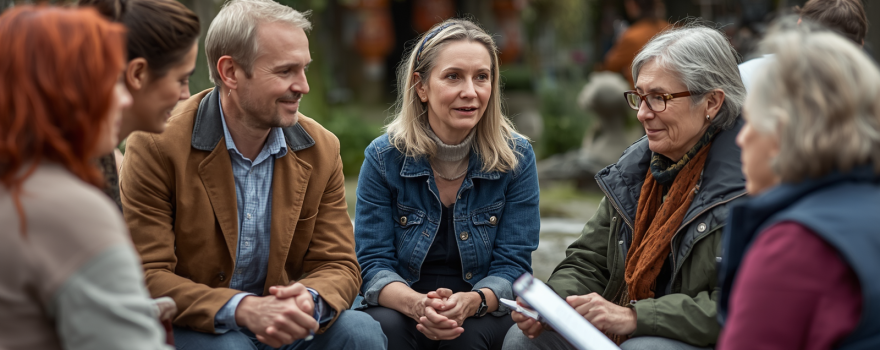
Even a well-intentioned engagement process may feel to the host community like being asked to react to someone else’s project, rather than being invited into a meaningful conversation about what is entering their shared space. That is where many projects begin to lose local legitimacy.
In shared space, efforts to build acceptability around a project are no longer enough on their own if the project itself has not been developed in a way that aligns with local realities and aspirations, and responds credibly to local concerns, from the earliest possible stage.
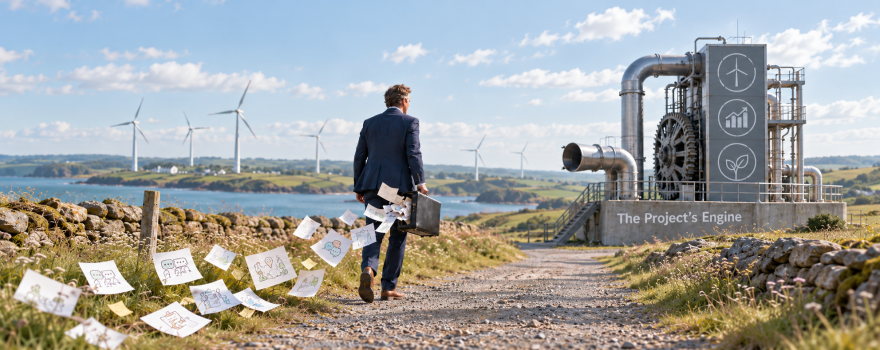
From understanding the challenge to applying a structured solution: Today, ELSA stands for Earning Local Support Architecture – the practical system of elements and relationships needed to build the fourth pillar of project success in shared space.
As the need for energy security grows and climate goals become more pressing, it’s clear: we need to shift towards renewable sources – and wind energy plays a vital role in that transition. But wind (and other shared space projects) also raise valid local concerns. The real challenge isn’t “community engagement”; it’s understanding – and bridging – the gap.
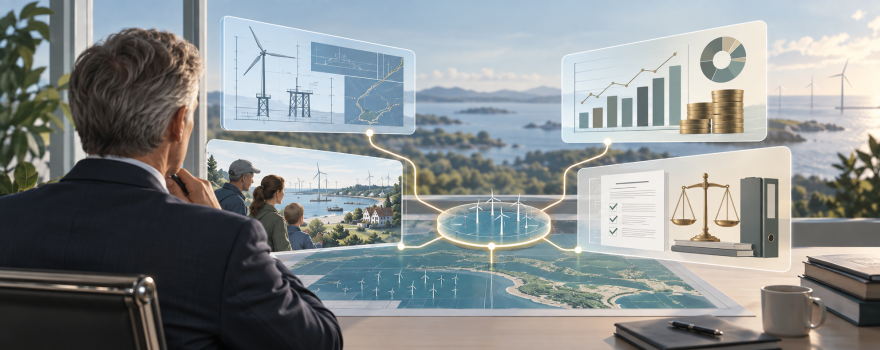
For decades, projects have stood on three solid pillars: Financial, Technical, and Legal. These have long defined a bankable project – one that works on paper, passes due diligence, and can withstand scrutiny in court. But around the world, developers, investors, and authorities are realising that this three-legged foundation is no longer enough.
AT PACE isn’t just better engagement – it enables smarter governance: building trust, reducing risk, and creating supported projects that can withstand the pressures facing today’s energy transition and deliver better futures for all.
The business case for collaborative renewable energy projects: understanding and addressing the community-related root cause for project failures; and how to deliver faster, fairer, better projects
Most communities support renewable projects, but oppose how they are built - often, a process that bypasses local realities and weakens shared purpose. Collaborative design strengthens fairness, cohesion, and local futures.